 by
by By Allan Kanyesigye
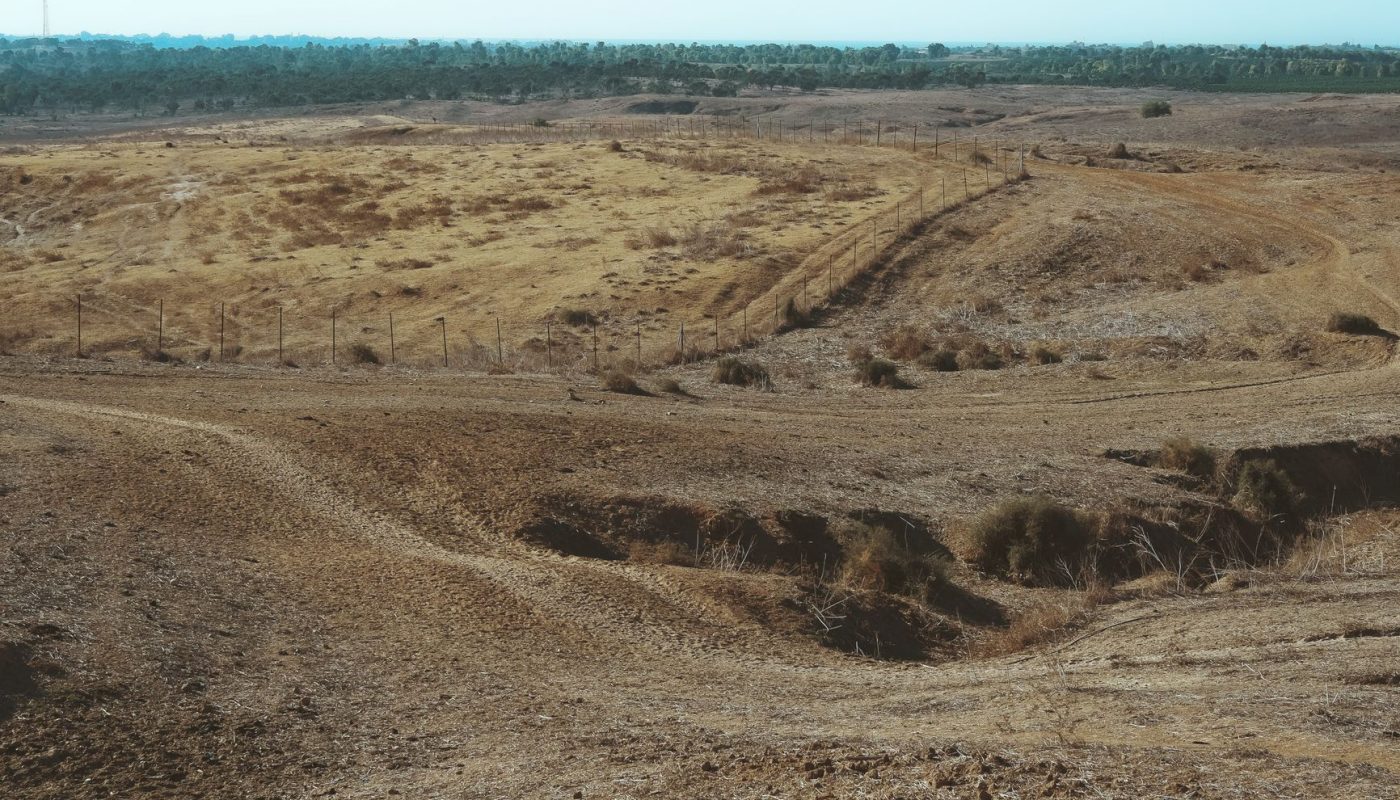
Environmental degradation has become one of the greatest challenges facing the world today. Climate change, deforestation, biodiversity loss, pollution and unsustainable use of natural resources continue to threaten ecosystems, livelihoods and human well-being, particularly in developing countries. While governments and environmental organizations play a vital role in addressing these challenges, lasting solutions also require changes in people’s values, attitudes and behaviors. Faith-based communities are uniquely positioned to contribute to this transformation because they shape moral values, influence lifestyles and mobilize communities toward a common purpose.
Creation care as Christian discipleship
Within the Christian faith, caring for creation is increasingly being recognized as an essential expression of discipleship, reflecting obedience to God and responsible stewardship of His creation. Creation care is commonly understood as the responsible stewardship, protection and restoration of the natural environment. Christian environmental ethicist Steven Bouma-Prediger (2010) describes creation care as living in right relationship with God, one another and the whole of creation through responsible stewardship and love for the earth.
John Stott (2006) argues that authentic Christian discipleship is expressed through obedience to Christ in every area of life, demonstrating God’s love in practical ways that transform both individuals and society. It is not limited to personal spirituality but extends to how believers respond to the needs of the world around them. Therefore, environmental stewardship is understood as a God-given responsibility in which believers act as caretakers rather than owners of creation, faithfully managing the earth in ways that honor God, promote human well-being and preserve the integrity of creation. According to John Stott (2006), stewardship involves the responsible management of all that God has entrusted to humanity, including the natural environment. Similarly, Christopher J. H. Wright (2004) argues that humanity’s mandate in Genesis 2:15 to “work” and “keep” the garden establishes environmental stewardship as a sacred responsibility to cultivate, protect, and preserve creation for God’s glory and the benefit of future generations.
Creation care as Christian discipleship means that caring for the environment is not an optional activity reserved for environmentalists; it is a practical expression of Christian faith. It is discipleship lived out through responsible stewardship of the earth, sustainable use of natural resources, and actions that protect the well-being of both people and the ecosystems upon which they depend. Every act of restoring degraded landscapes, conserving water, reducing waste, planting trees, or advocating for environmental justice becomes an expression of faith in action. In this way, creation care and Christian discipleship are inseparable, calling believers to honor God not only through worship but also through the protection and flourishing of the world entrusted to their care.
Biblical foundation for creation care
The biblical foundation of creation care begins with the understanding that the earth belongs to God and that humanity has been entrusted with its care. From the opening chapters of Scripture, creation is presented as inherently good, reflecting God’s wisdom, power and purpose. Humanity’s relationship with creation is, therefore, not one of ownership but of stewardship. This understanding forms the basis of Christian discipleship, where caring for the environment becomes an act of obedience, gratitude, and faithful service.
The first mandate for environmental stewardship appears in Genesis 2:15, where God places Adam in the Garden of Eden “to work it and take care of it.” The Hebrew verbs abad (to serve or cultivate) and shamar (to keep, protect, or preserve) reveal that humanity’s role was never to exploit creation but to nurture and safeguard it. Old Testament scholar Christopher J. H. Wright (2004) observes that this mandate establishes stewardship as a sacred trust, requiring humanity to use the earth’s resources responsibly while ensuring their continued flourishing for future generations.
Throughout Scripture, creation is consistently portrayed as belonging to God. “The earth is the Lord’s, and everything in it” (Psalms 24:1), reminding believers that they are caretakers rather than owners. This perspective challenges attitudes of greed, wastefulness and environmental destruction by emphasizing accountability to God for how creation is treated. As John Stott (2006) argues, Christian stewardship extends beyond personal resources to include the responsible management of the natural world, since caring for creation is an expression of obedience to the Creator.
The ministry of Jesus further demonstrates that Christian discipleship embraces the whole of creation. Jesus frequently taught using images drawn from nature—the birds of the air, the lilies of the field, seeds, vineyards and rivers—revealing a deep appreciation of the natural world and its role in revealing God’s purposes. His teaching reminds believers that creation is not merely a backdrop to human existence but a testimony to God’s providence and sustaining love.
Following Christ today means more than participating in worship services or proclaiming the gospel; it also involves protecting forests, conserving water, reducing pollution, restoring degraded ecosystems and advocating for environmental justice. As churches respond to the growing environmental challenges of our time, creation care becomes a visible expression of faith, love, and hope for both present and future generations.
Why creation care matters today
Communities today face an unprecedented environmental crisis characterized by climate change, biodiversity loss, deforestation, pollution, land degradation and water scarcity. In Africa, rising temperatures, prolonged droughts, destructive floods and declining agricultural productivity continue to threaten food security, public health and economic development. The consequences of environmental degradation affect the availability of clean water, fertile soils, stable climates and healthy ecosystems that sustain human life. The United Nations Environment Programme (2024) warns of the triple planetary crisis—climate change, biodiversity loss and pollution. For many African communities that depend directly on natural resources for agriculture, fishing and livestock production, environmental degradation translates into poverty, food insecurity, forced migration, and increased conflict over diminishing resources.
The role of the church in climate action
These realities call for a response that goes beyond environmental policies and scientific solutions alone. Lasting environmental change also requires a transformation of attitudes, values and behaviors. Faith communities have a unique role in fostering this transformation because they influence millions of people through worship, teaching and community engagement. Churches are often among the most trusted institutions within communities and are well positioned to promote environmental awareness, inspire sustainable lifestyles and mobilize collective climate action. Believers are reminded that caring for creation is not simply about protecting nature but about safeguarding life, promoting justice and ensuring that future generations inherit a healthy and productive environment. Creation care matters today because the health of the environment is inseparable from the well-being of humanity, and the decisions made today will shape the world inherited by future generations.
The church is uniquely positioned to respond to this call for creation care because it combines moral authority, trusted leadership and extensive grassroots networks. Regular gatherings of Christian organisations and deep community presence allow them to influence values and behaviors, mobilize collective action and promote long-term stewardship of creation. Faith-based communities are built on a strong sense of belonging. Members often see each other not just as neighbors, but as spiritual family. This shared identity creates a powerful foundation for collective action. When environmental activities are introduced, such as clean-up drives or tree planting, people are more willing to participate because they feel part of a unified mission. This sense of unity also encourages accountability—members are more likely to support and sustain group efforts because they feel responsible to one another.
Even small congregations can serve as entry points for environmental education, ensuring that awareness is not limited to cities but reaches farmers, small traders, and rural households who directly interact with natural resources.
As a result, the Church has both a moral responsibility and a practical opportunity to become a catalyst for environmental stewardship and sustainable development. Because environmental stewardship can be framed as a moral and spiritual duty, it becomes more than a technical issue—it becomes an act of obedience and responsibility. When religious leaders emphasize caring for creation, members are more likely to take it seriously because it connects to their faith identity and personal conscience. This moral framing can motivate behavior change even when resources are limited.
- The Church must educate. Environmental stewardship begins with knowledge about climate change, biodiversity loss, pollution, deforestation and sustainable living. Education should move people from awareness to informed action.
- The Church must demonstrate sustainable practices. Christian communities should lead by example by adopting environmentally friendly practices within their own institutions. This includes planting and nurturing trees, reducing plastic use, conserving water, promoting waste separation and recycling, harvesting rainwater, improving energy efficiency, and where possible adopting renewable energy technologies. When churches model responsible stewardship, they inspire communities to do the same.
- The Church must mobilize communities. The Church has one of the widest grassroots networks in Africa and is uniquely positioned to bring people together for environmental action. Congregations can organize community clean-up campaigns, tree-growing initiatives, river and wetland restoration projects, and environmental awareness events. Such activities strengthen community ownership while demonstrating that caring for creation is a shared responsibility.
- The Church must advocate for environmental justice. Environmental degradation disproportionately affects the poor and vulnerable, who often contribute the least to the problem. Guided by the principles of justice, compassion, and human dignity, the Church should use its prophetic voice to encourage responsible environmental policies, promote sustainable resource management, and stand alongside communities affected by climate change and environmental destruction.
- The Church must collaborate. Environmental challenges are too complex for any single institution to address alone. Churches should build partnerships with governments, schools, environmental organizations, academic institutions, the private sector, and local communities to share knowledge, mobilize resources, and strengthen collective action. Such collaboration increases the impact and sustainability of environmental initiatives.
But Christian communities face several challenges that can limit their effectiveness in addressing environmental conservation. One major challenge is limited environmental knowledge among both leaders and congregants, which makes it difficult to fully understand issues such as climate change, biodiversity loss, and sustainable resource management. In addition, many faith communities often lack the resources needed to implement environmental projects such as tree planting, waste management systems or renewable energy initiatives. Competing priorities also pose a challenge, as churches and other religious institutions are frequently focused on immediate spiritual needs, social welfare, educationand poverty alleviation, leaving environmental concerns with less attention. Furthermore, differences in theological interpretation can affect engagement with environmental issues, especially where teachings are understood as prioritizing human dominion over nature rather than stewardship.
However, the environmental crisis is not solely a scientific or political concern but also a moral challenge that calls for responsible stewardship and collective action. Christian discipleship is most authentic when faith is expressed through practical care for God’s creation and compassionate concern for communities affected by environmental degradation.
Rev Allan Kanyesigye serves as a chaplain in Ankole Diocese, Church of Uganda.